Confectionery & snacks
Illustrated Chocolate Packaging Tubes
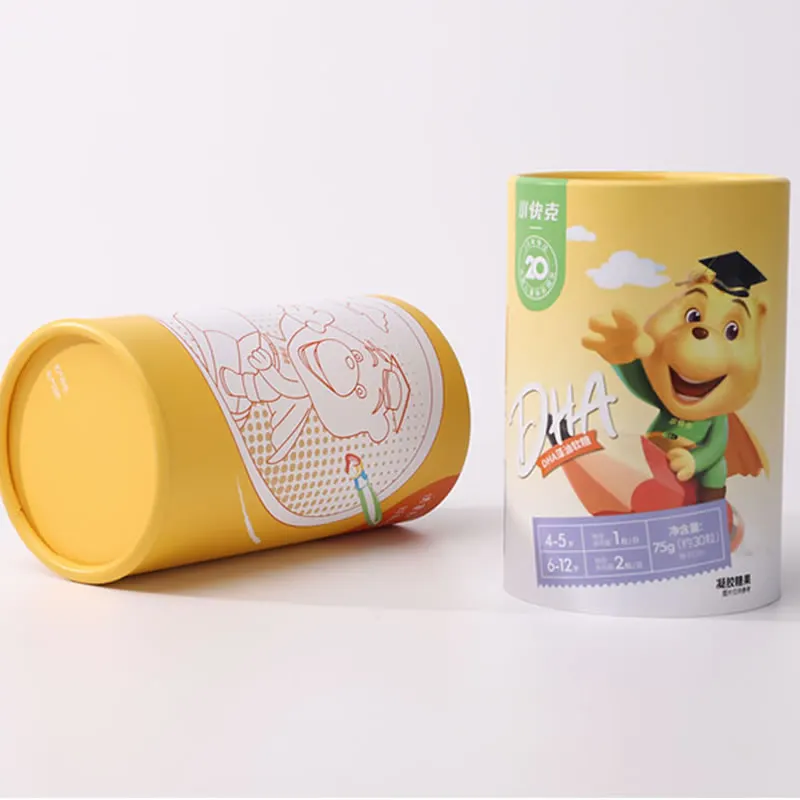
A yellow-ended cylinder sits beside a colorful illustrated sleeve.
Botanical Tea Sachet Packaging Cylinder · view 1 of 3
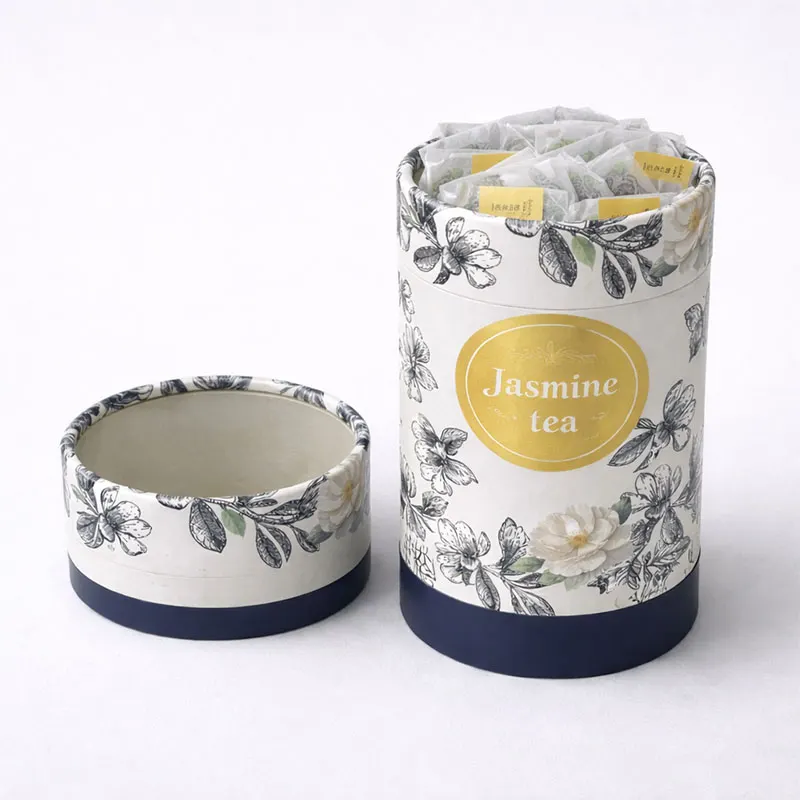
A white botanical-printed round tube is shown with sachets visible at the open top.
The pictured decoration is a visual reference. Final materials, fit and finishing are confirmed by sample.
MAKE THE REFERENCE YOUR OWN
Sachet count and finger clearance determine this botanical tube height. If the project changes to loose tea, contact and barrier requirements need a separate review.
Review the pack-out and project inputs ↗| Pictured construction | A white botanical-printed round tube is shown with sachets visible at the open top. |
|---|---|
| Size & fit | Sachet dimensions, barrier system and label market |
| Pack-out & support | Review botanical artwork and closure use over repeated openings. |
| Wrap & print | Review paper appearance, artwork, seam placement and decoration together on a sample. |
| Standard minimum order | 3,000 pieces for non-molded-pulp packaging; 10,000 for molded pulp, bagasse and molded fiber. Confirm the complete specification. |
| Sampling & production | Company guidance: 24–48 hours for samples and typically 2–5 weeks for production, subject to specification and sample type. |
| Count the tea sachets | Choose height from sachet count and finger access rather than loose-leaf assumptions. Review botanical artwork and closure use over repeated openings. |
| Brief inputs: sachet dimensions | Specify sachet dimensions, barrier system and label market in the request. Sachet count controls repeat-opening access; a loose-tea brief would require a separate contact and barrier review. |
THE FIRST THING YOU FEEL
Eight visual directions for the wrap.
Grade, weight and suitability are confirmed by sample.
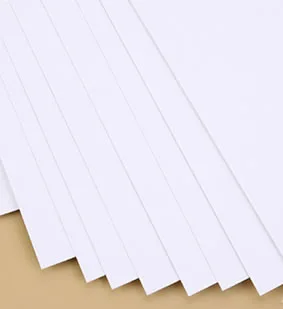
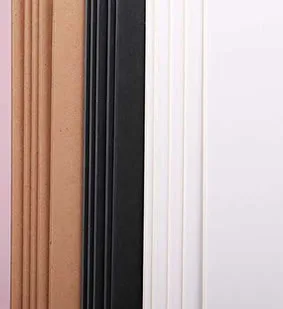
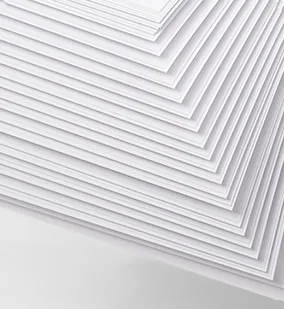

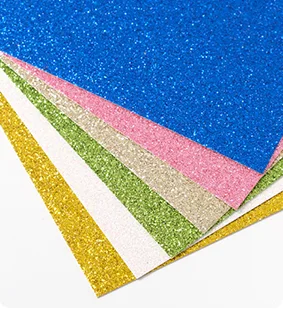
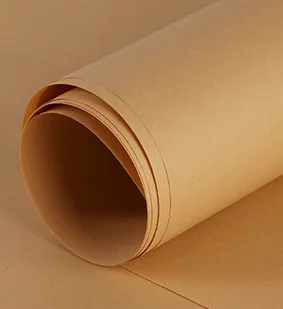
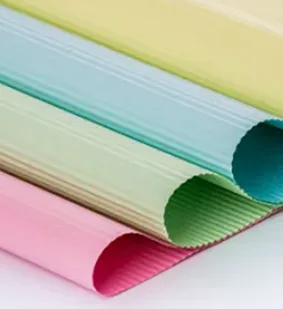
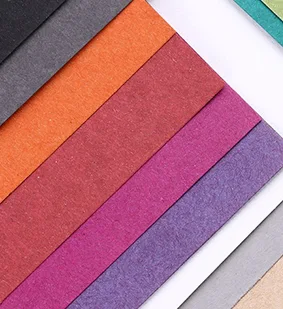
C1S and C2S are the named paper references in this selection. Colored and textured selections describe appearance; they do not specify a material grade.
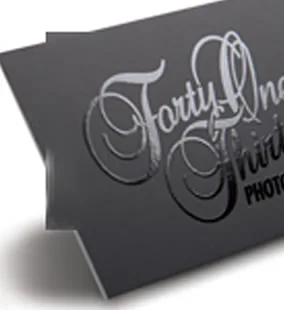
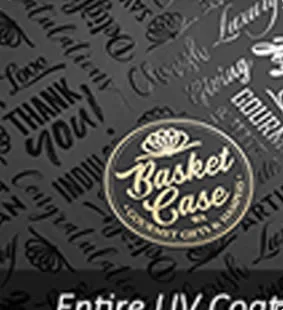
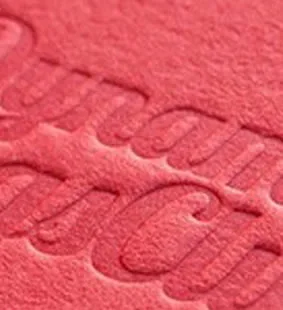
ADD THE FINISHING TOUCH
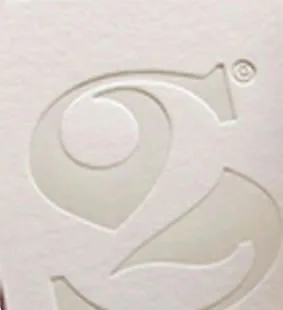
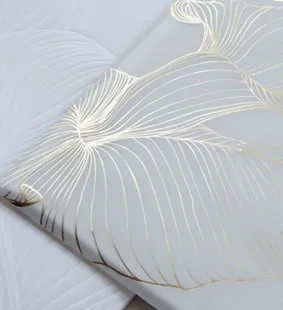
Explore eight decoration references.
Compatibility depends on the structure, paper and sample.
FROM PAPER TO PACKAGING
These photographs show paper-tube manufacturing activities. The selected shape, material and closure determine the actual sequence and operations for your project.
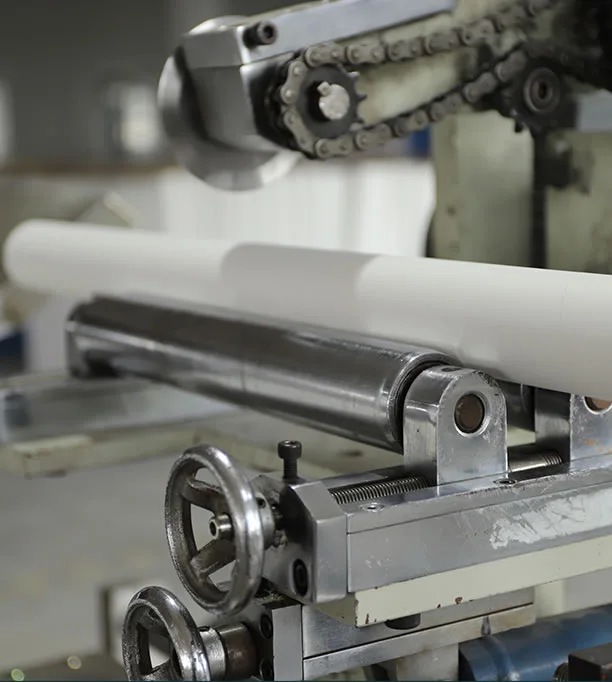
Paper ribbons are wound into the tube body.
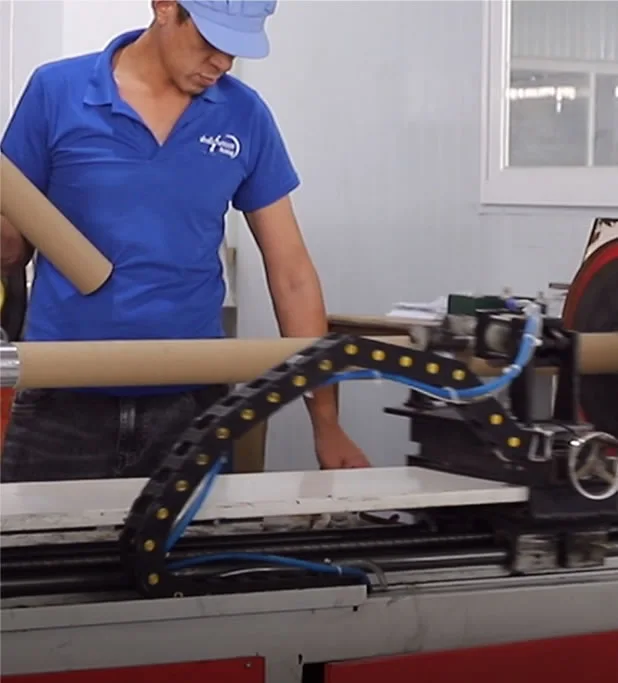
The tube is cut for the agreed structure.
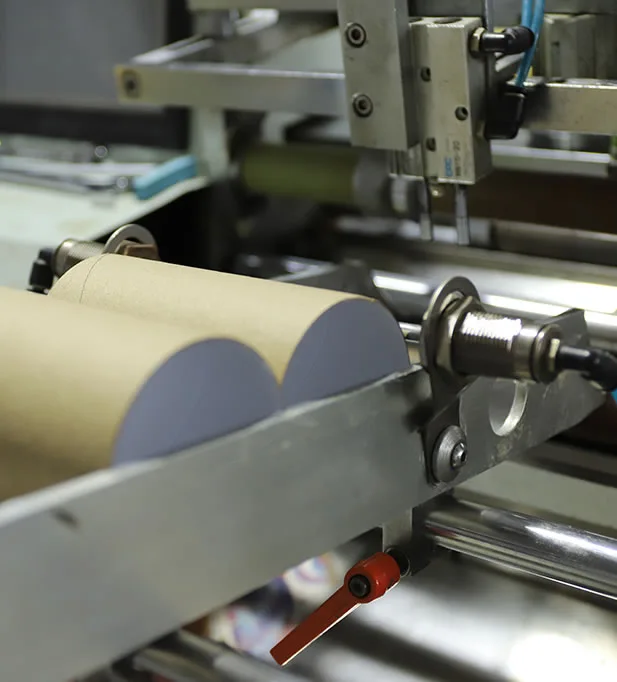
Printed paper is applied around the body.
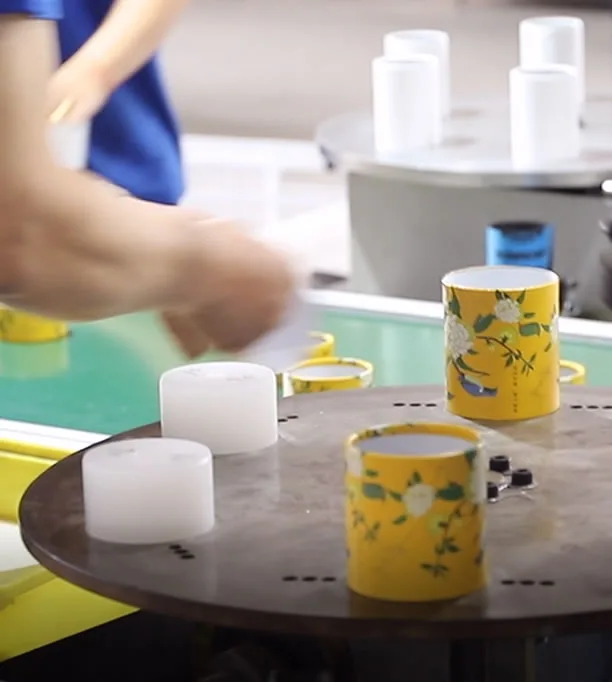
Edges are formed to suit the closure.
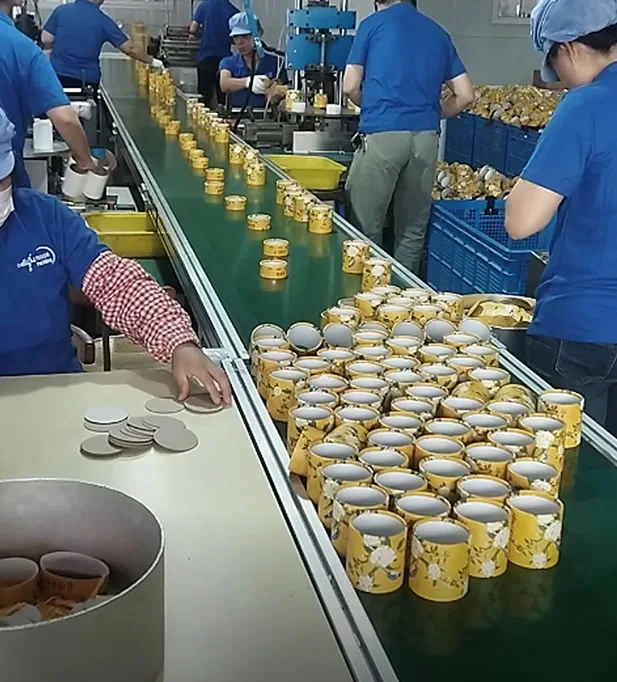
The base and specified components are assembled.
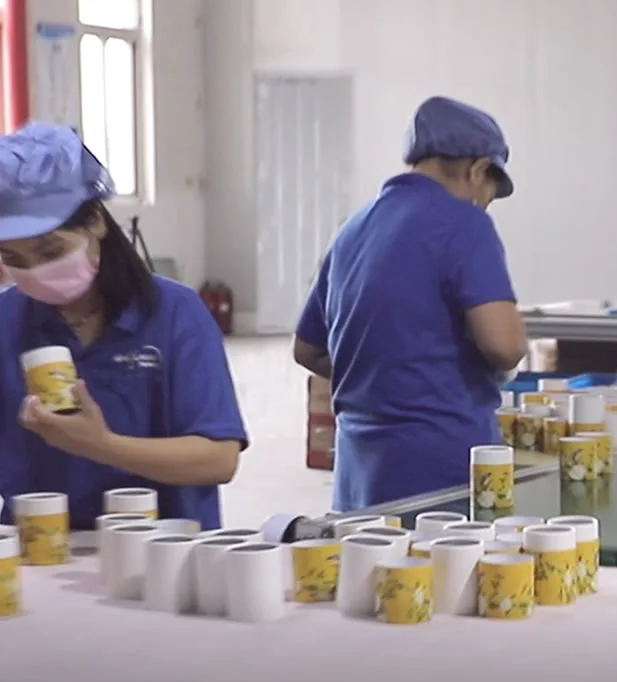
Finished tubes are checked before packing.
EXPLORE ANOTHER APPROACH
Confectionery & snacks
A yellow-ended cylinder sits beside a colorful illustrated sleeve.
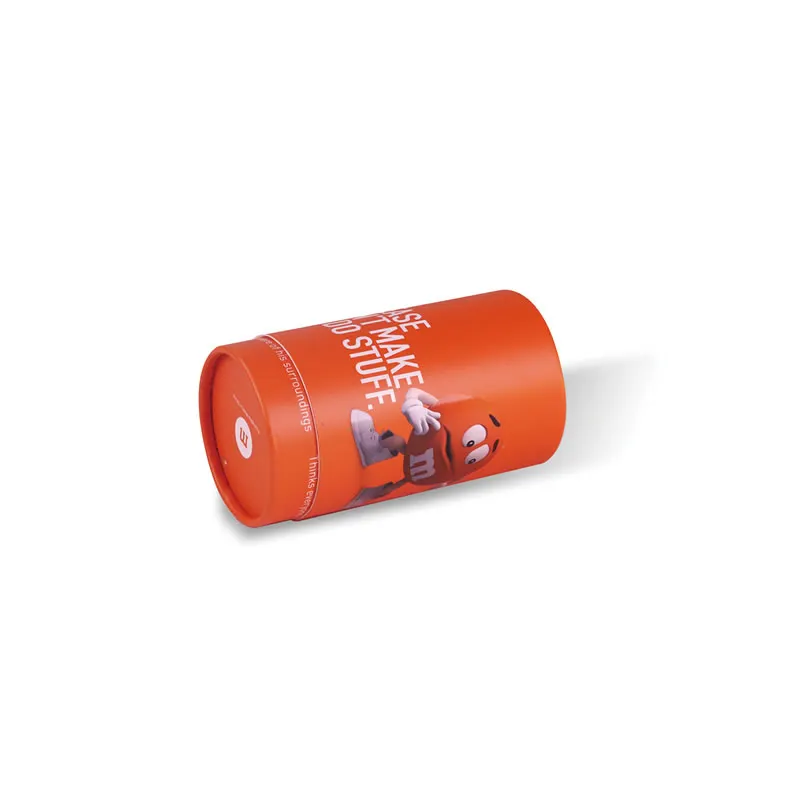
Confectionery & snacks
A compact orange tube carries a bold printed wrap.
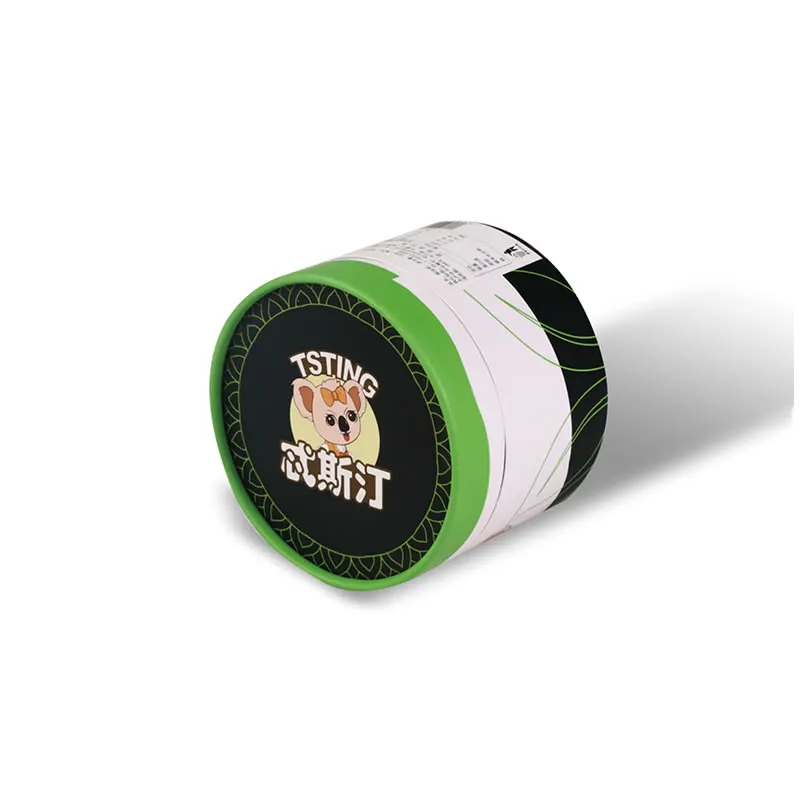
Confectionery & snacks
The black tube has a bright green rim and large circular front graphic.
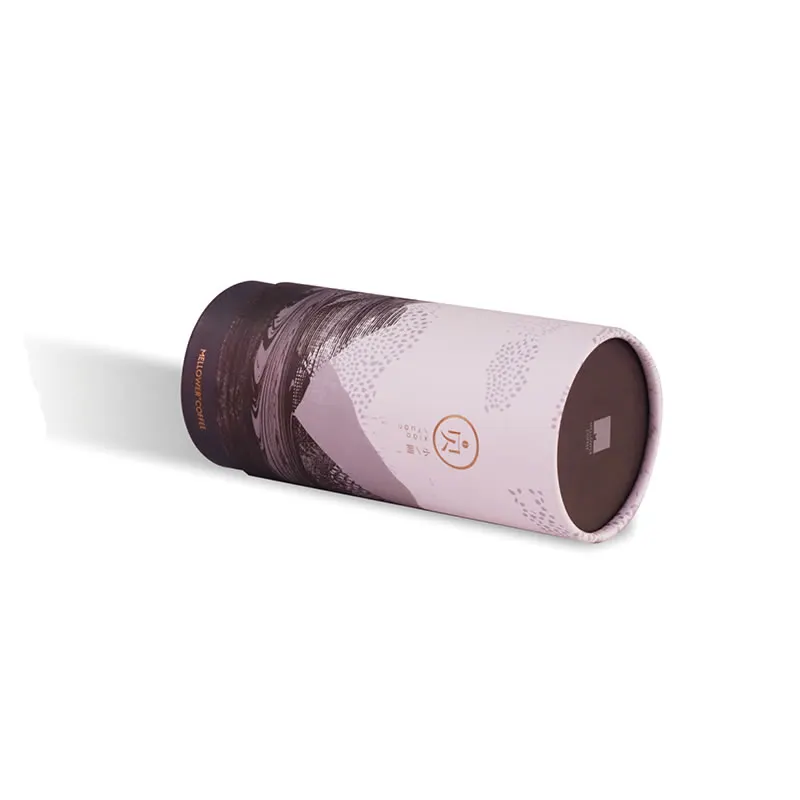
Tea & coffee
A long light-brown cylinder shows a muted wrap and dark end.
BEFORE YOU START
Practical questions for a better packaging brief.
Sachet count and finger clearance determine this botanical tube height. If the project changes to loose tea, contact and barrier requirements need a separate review.
Sachet dimensions, barrier system and label market. Review botanical artwork and closure use over repeated openings. Specify sachet dimensions, barrier system and label market in the request. Sachet count controls repeat-opening access; a loose-tea brief would require a separate contact and barrier review.
LET’S MAKE IT YOURS
Start with your email and estimated quantity. Our team will follow up to confirm the packaging requirements.
Build an optional packaging brief ↗You can copy a brief into the requirements field yourself. A saved reference confirms receipt of your inquiry; email notification is handled separately.