01
Wrapped or direct fill
Identify the primary pack, contact layer and whether contents can migrate to the tube.
ARTICLE
An outer tube around wrapped food has a different evidence burden from a direct-fill container.
Discuss your packaging project ↗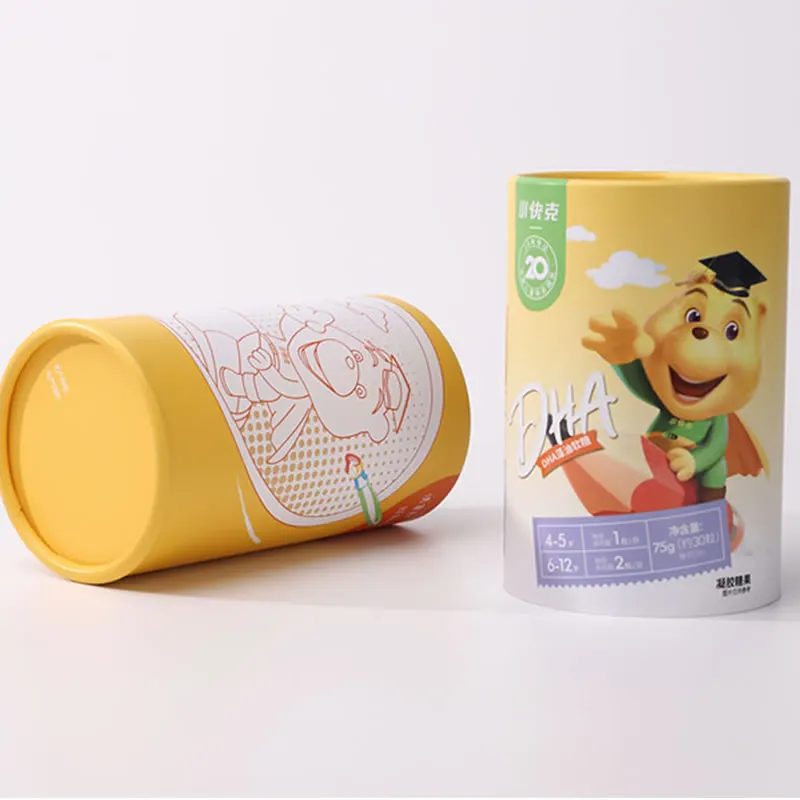
Identify the primary pack, contact layer and whether contents can migrate to the tube.
State moisture, oxygen and shelf-life goals for a review; no generic tube photo proves them.
Share the destination market and required claims before approving artwork.
A paper outer tube can present an already sealed powder pouch or separate container. A direct-fill powder pack needs a defined contact layer, seal and repeated-opening system. Specify fill weight, powder behavior, humidity and oxygen-control objectives, storage conditions and target-market evidence before agreeing construction. A photographed composite can does not establish a barrier level or food-contact approval.
| Decision | Information to supply | Review before approval |
|---|---|---|
| Primary pack | Sealed pouch, separate container or direct fill | Every layer touching the powder |
| Opening and storage | First-opening seal and reclosure frequency | Moisture/oxygen objectives and the intended storage conditions |
| Validation | Target market, filling process and packed weight | Material documents and filled-pack tests for the actual system |
Map every surface that can contact the contents, including liners, lids and seals. Request market-specific material and migration evidence where contact exists; a photo or generic certificate is insufficient.
BEFORE YOU START
Practical questions for a better packaging brief.
Map every surface that can contact the contents, including liners, lids and seals. Request market-specific material and migration evidence where contact exists; a photo or generic certificate is insufficient.
Identify the primary pack, contact layer and whether contents can migrate to the tube.
State moisture, oxygen and shelf-life goals for a review; no generic tube photo proves them.