01
01 — Brief the actual contents
Record each object, opening preference, protection need, quantity and market. The local brief tool keeps supplied units visible.
PROCESS
HC Packaging has operated since 2005, with two factories in China and two in Vietnam. The right work sequence starts with the exact packed object.
Discuss your packaging project ↗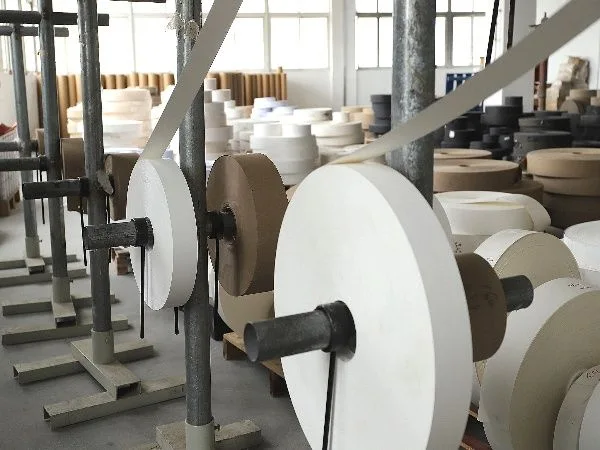
Record each object, opening preference, protection need, quantity and market. The local brief tool keeps supplied units visible.
Choose a relevant real sample as a reference, then confirm fit, holder and print proof for the specific project.
Standard non-molded-pulp MOQ guidance is 3,000. Company guidance is 24–48 hours for samples and typically 2–5 weeks for production, qualified by project and sample type; custom tooling is reviewed separately.
Suppliers may use terms such as spiral wound, convolute wound and seamless. These are construction descriptions, not the same taxonomy as opening and pack-out options. Ask which construction is proposed for the actual shape, how the seam and wrap are arranged and what the sample should demonstrate. Do not assume every named method is confirmed for every product, or that one is universally stronger or more popular.
Use the filled product and a written acceptance checklist. Separate visual checks from functional tests and specify any transport conditions. Company sample and production guidance is conditional on specification and sample type; it is not a guarantee that custom tooling meets the same schedule.
| Review | Practical check | Record |
|---|---|---|
| Dimensions | Measure usable space against the approved drawing | Units, lid/base/insert and agreed tolerances |
| Loading and removal | Pack and unpack the actual items | Orientation, grip and sequence |
| Closure | Open and reclose for the intended use | Lid fit, attachment and any sealing concept |
| Artwork | Review printed proof and a physical sample | Seam, principal face, lid registration and finish |
| Handling | Use agreed filled-pack conditions | Test method, route and acceptance responsibility |
Four factories across China and Vietnam. Photographs show activities and premises; they do not establish the manufacturing site of a specific order.
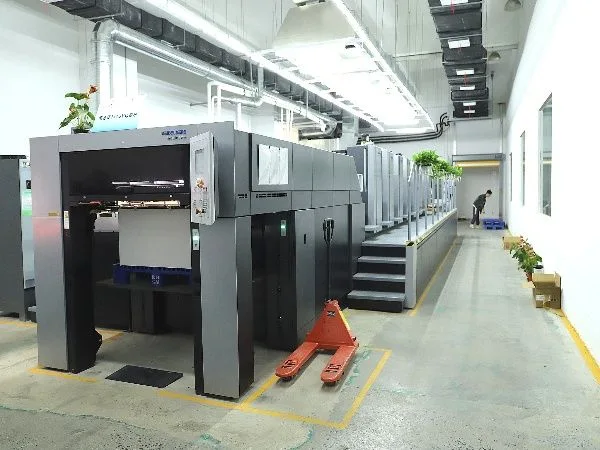
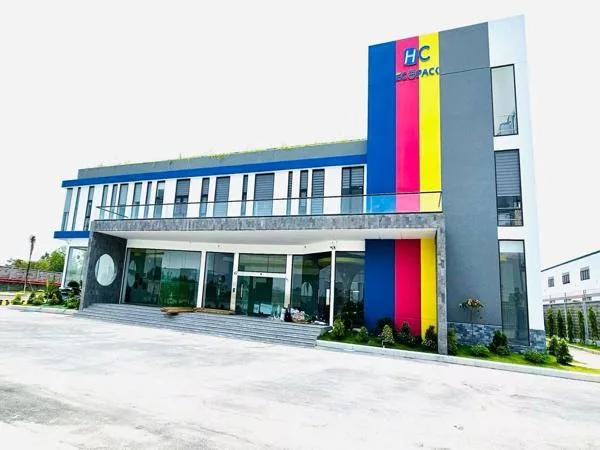
Activity references for paper tube manufacturing. The agreed shape, closure and material determine the actual sequence.
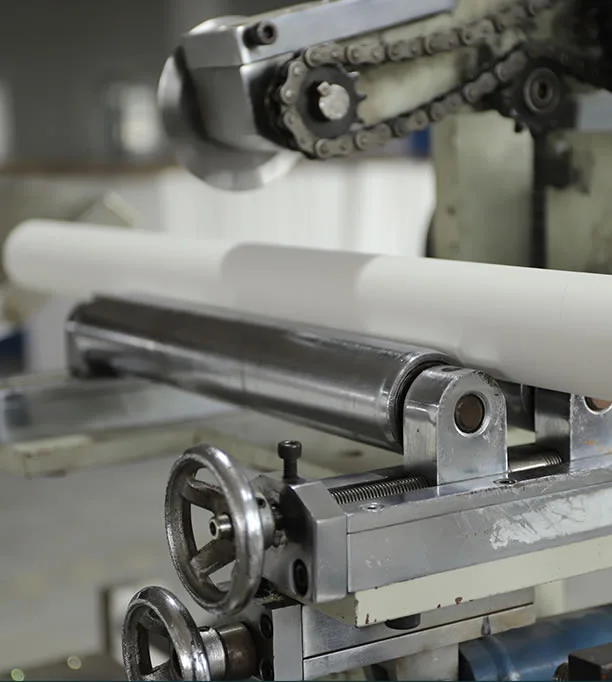
Paper ribbons are wound into the tube body.
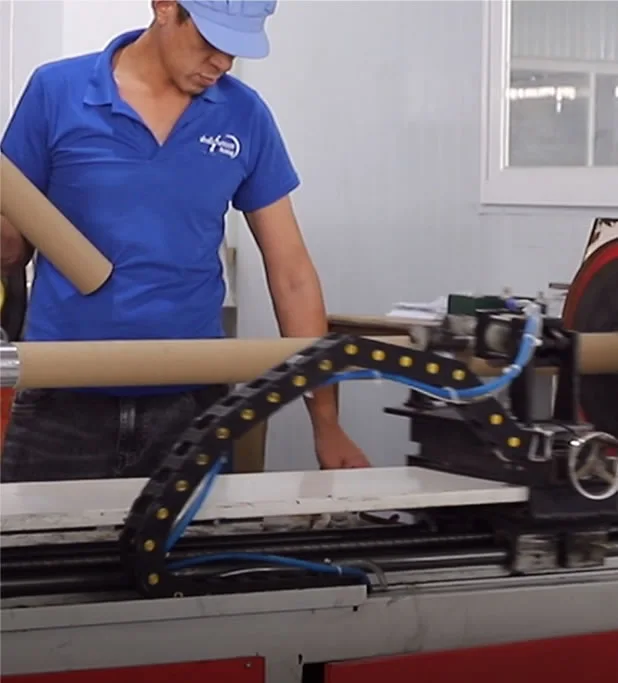
The tube is cut for the agreed structure.
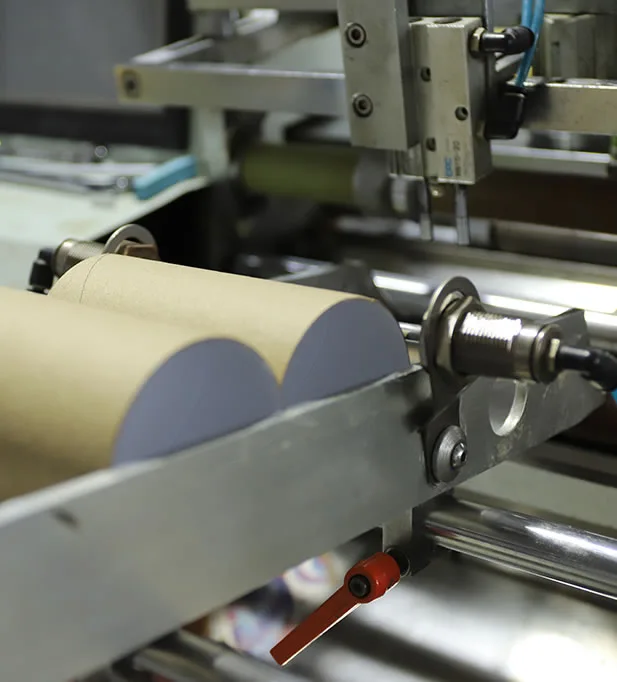
Printed paper is applied around the body.
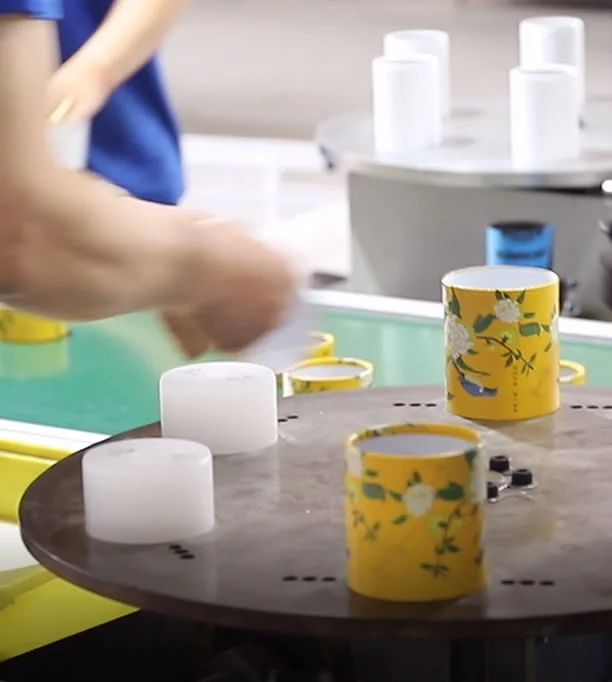
Edges are formed to suit the closure.
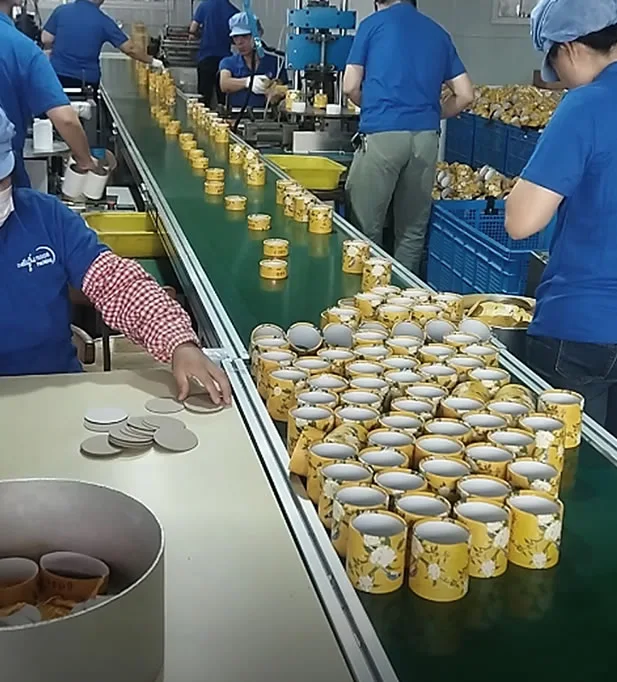
The base and specified components are assembled.
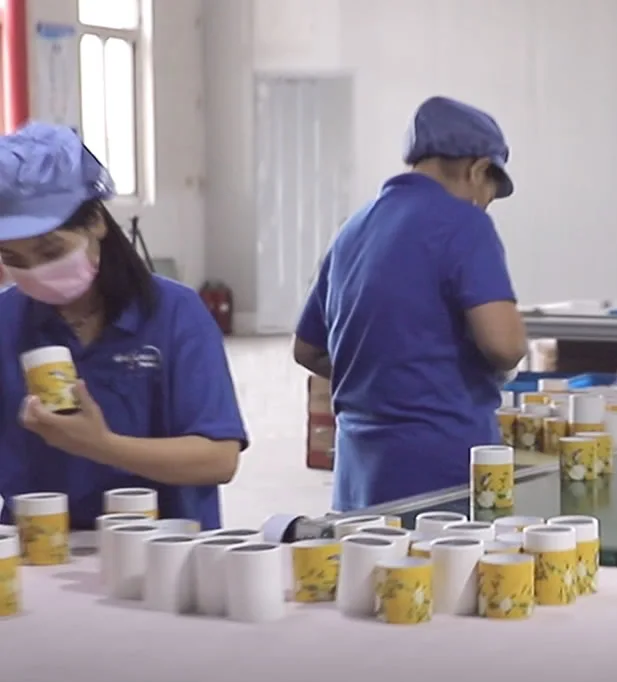
Finished tubes are checked before packing.
Share the object, dimensions, quantity and destination; review structure and artwork on a sample; then approve a project-specific production specification.
BEFORE YOU START
Practical questions for a better packaging brief.
Share the object, dimensions, quantity and destination; review structure and artwork on a sample; then approve a project-specific production specification.
Record each object, opening preference, protection need, quantity and market. The local brief tool keeps supplied units visible.
Choose a relevant real sample as a reference, then confirm fit, holder and print proof for the specific project.