01
Measure the actual item
Measure the device in its intended packed state. Include protrusions that affect the outer envelope. A photograph next to a ruler can help explain orientation, but the typed numbers remain the reference.
ARTICLE
A shaped pack is easy to misread if “width” changes direction between the product sketch and the supplier brief. Name the product faces and measure the full packed set.
Discuss your packaging project ↗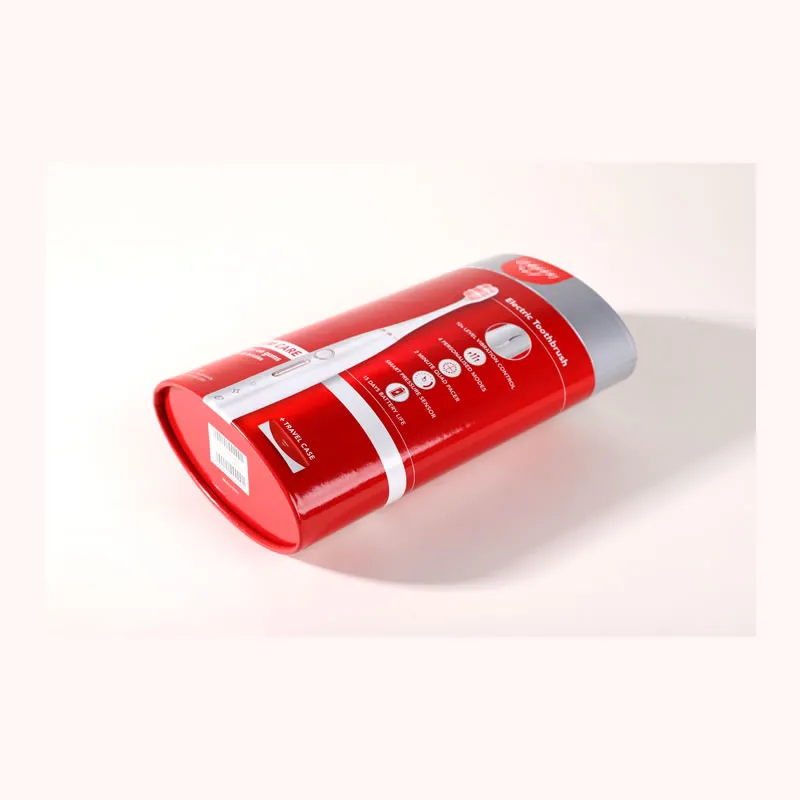
Measure the device in its intended packed state. Include protrusions that affect the outer envelope. A photograph next to a ruler can help explain orientation, but the typed numbers remain the reference.
Label each dimension and the unit. For a round concept, record diameter and height. For a non-round concept, name the front face, side depth and longitudinal direction.
Cables, heads, manuals and protective pieces can change the needed internal space. List them before assessing the shape.
This guide intentionally provides no clearance allowance. Construction, fit and tolerances depend on the actual product and manufacturing method.
For oval or shaped packs, record oriented length, width and depth. A circular pack needs internal and external diameters and usable height instead. Do not substitute a bounding rectangle for a round tube specification.
State length, width and height of the product in mm or inches; mark the intended front and opening direction; list protrusions and accessories. Confirm final fit with the supplier sample.
BEFORE YOU START
Practical questions for a better packaging brief.
State length, width and height of the product in mm or inches; mark the intended front and opening direction; list protrusions and accessories. Confirm final fit with the supplier sample.
Measure the device in its intended packed state. Include protrusions that affect the outer envelope. A photograph next to a ruler can help explain orientation, but the typed numbers remain the reference.
Label each dimension and the unit. For a round concept, record diameter and height. For a non-round concept, name the front face, side depth and longitudinal direction.