Shipping & mailing
Printed Mailing Tube for Long or Rolled Items
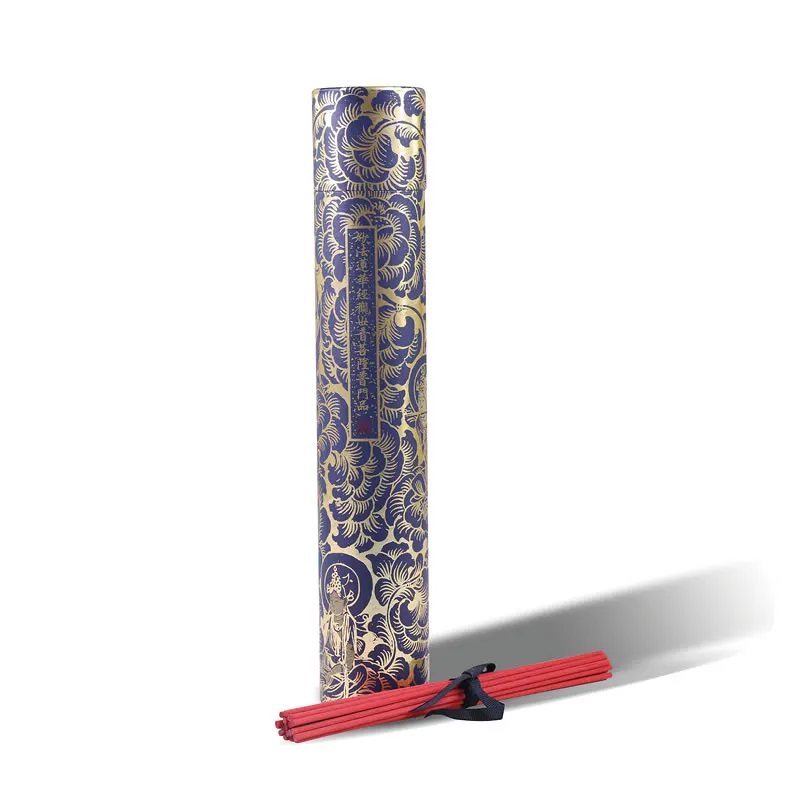
A long decorated round tube stands upright beside a slim item.
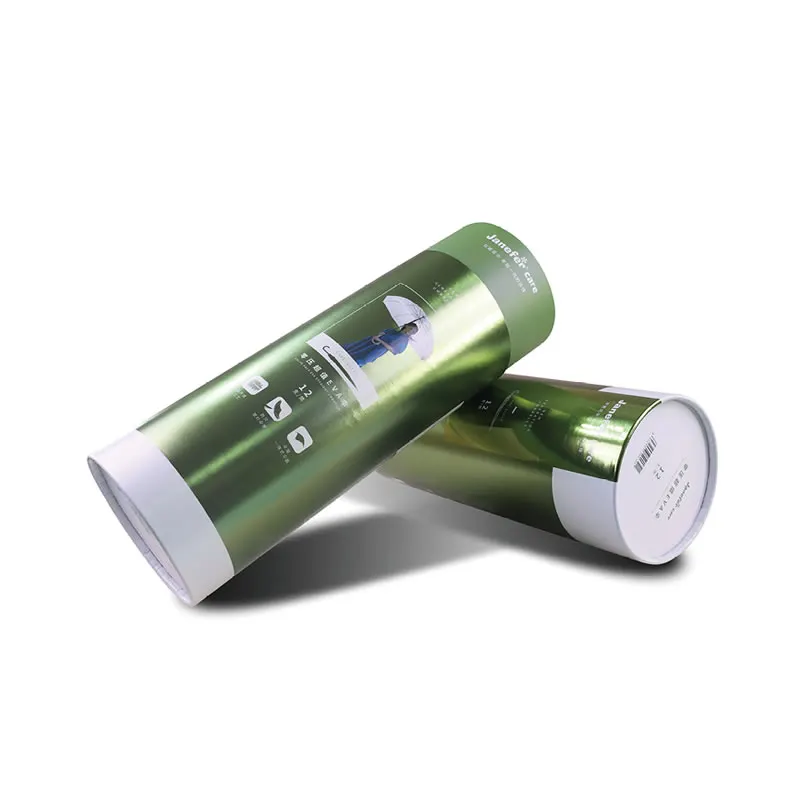
Window Mailing Tube with End Caps · view 1 of 4
A green long cylinder has a clear-looking side opening and white end caps.
The pictured decoration is a visual reference. Final materials, fit and finishing are confirmed by sample.
MAKE THE REFERENCE YOUR OWN
A window helps identification only if the mailed item is aligned behind it and the filled pack still meets the required protection test. Window material and cutout location remain project choices.
Review the pack-out and project inputs ↗| Pictured construction | A green long cylinder has a clear-looking side opening and white end caps. |
|---|---|
| Size & fit | Mailed item, window material, route and protection test |
| Pack-out & support | Review cutout position, contents visibility and end access. |
| Wrap & print | Review paper appearance, artwork, seam placement and decoration together on a sample. |
| Standard minimum order | 3,000 pieces for non-molded-pulp packaging; 10,000 for molded pulp, bagasse and molded fiber. Confirm the complete specification. |
| Sampling & production | Company guidance: 24–48 hours for samples and typically 2–5 weeks for production, subject to specification and sample type. |
| Place the window safely | Decide whether a window improves identification without compromising the required protection. Review cutout position, contents visibility and end access. |
| Brief inputs: mailed item | Specify mailed item, window material, route and protection test in the request. Window position must be tested with the real mailed item so visibility does not replace the required protection check. |
THE FIRST THING YOU FEEL
Eight visual directions for the wrap.
Grade, weight and suitability are confirmed by sample.
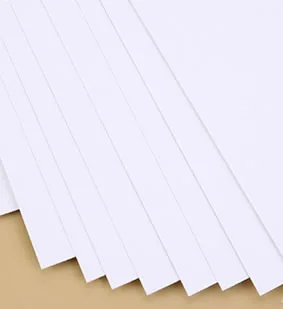
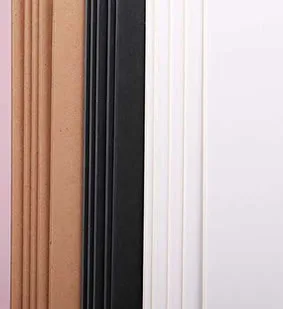
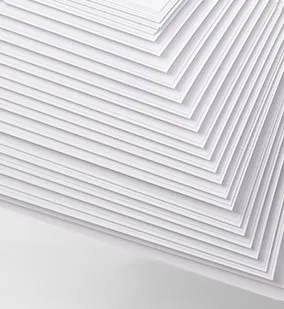

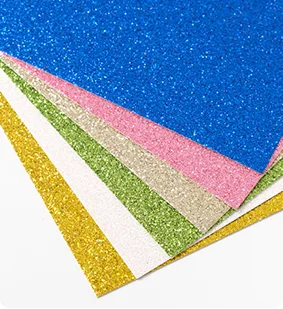
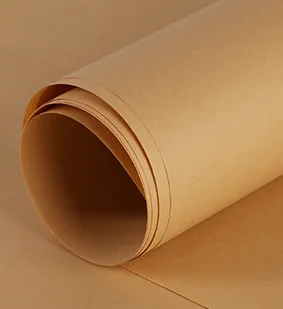
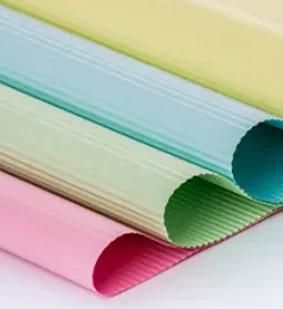
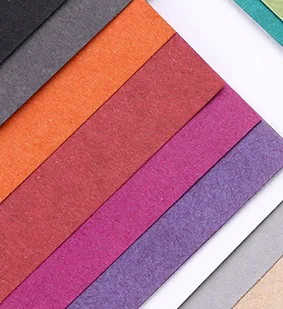
C1S and C2S are the named paper references in this selection. Colored and textured selections describe appearance; they do not specify a material grade.
ADD THE FINISHING TOUCH
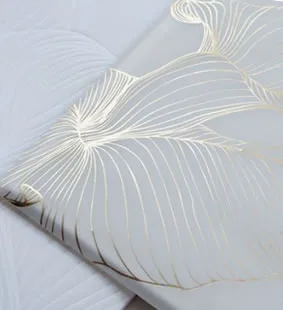
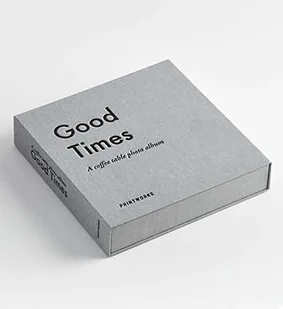
Explore eight decoration references.
Compatibility depends on the structure, paper and sample.
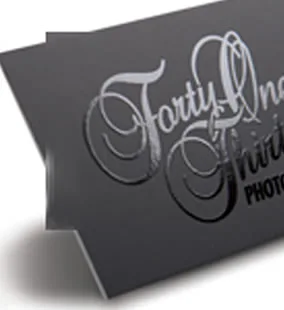

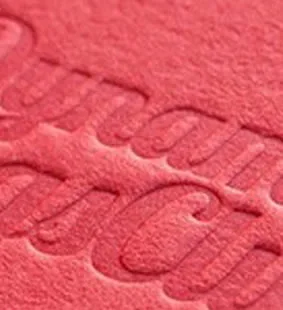
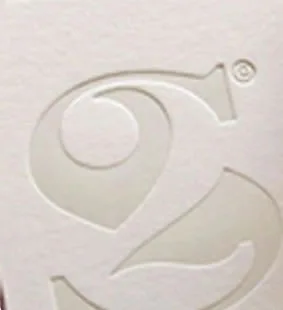
FROM PAPER TO PACKAGING
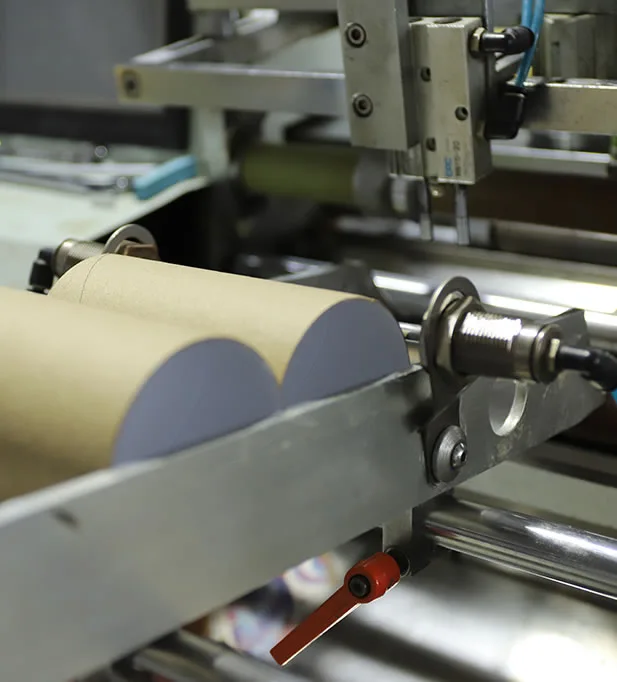
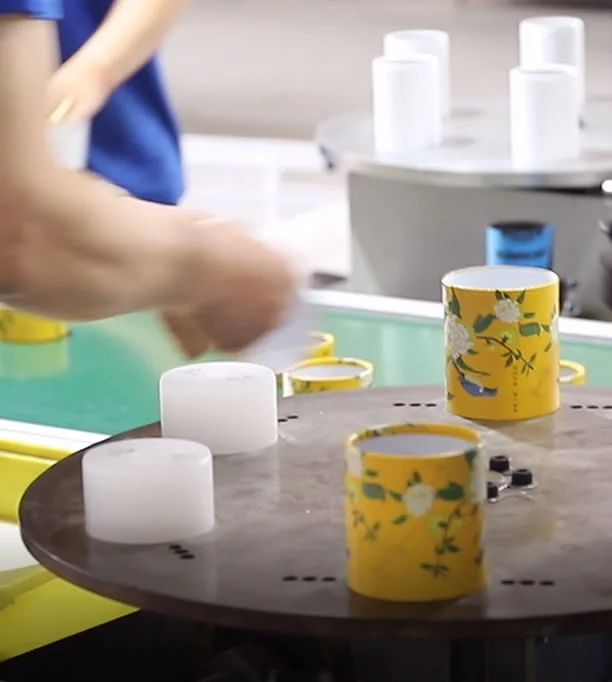
These photographs show paper-tube manufacturing activities. The selected shape, material and closure determine the actual sequence and operations for your project.
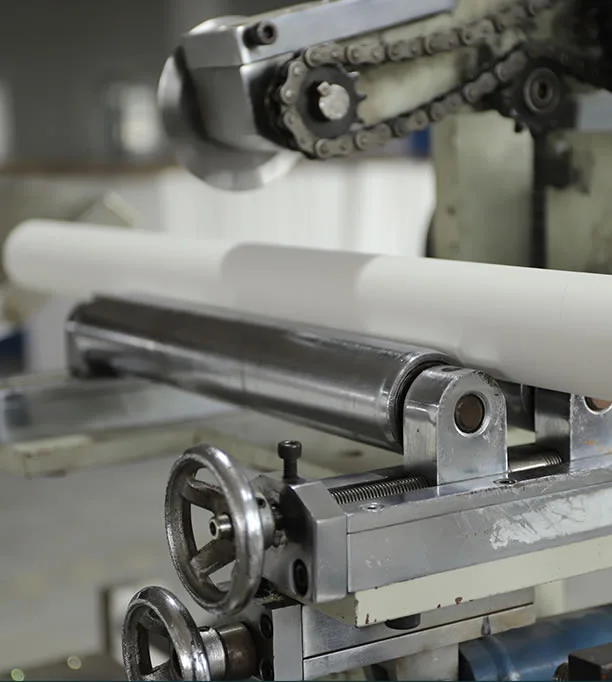
Paper ribbons are wound into the tube body.
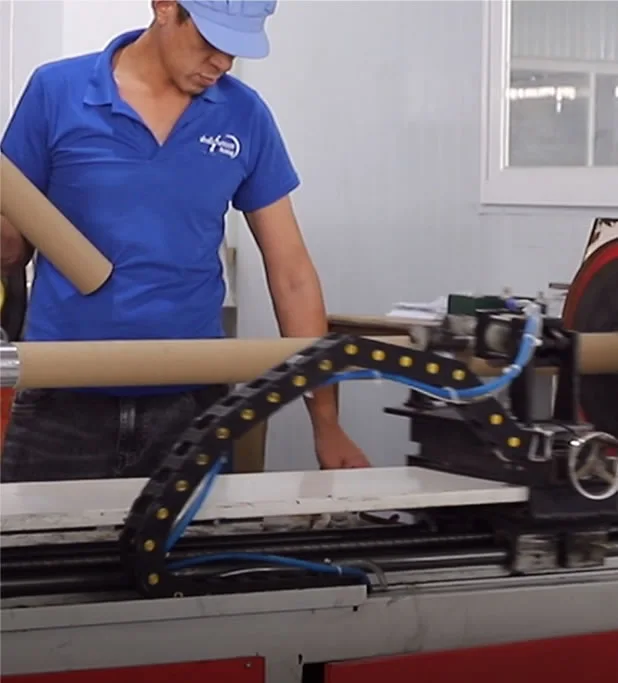
The tube is cut for the agreed structure.
Printed paper is applied around the body.
Edges are formed to suit the closure.
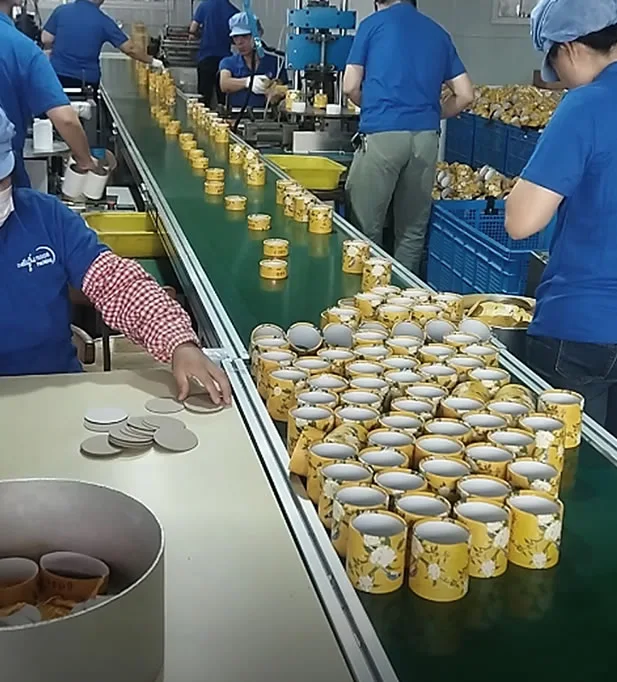
The base and specified components are assembled.
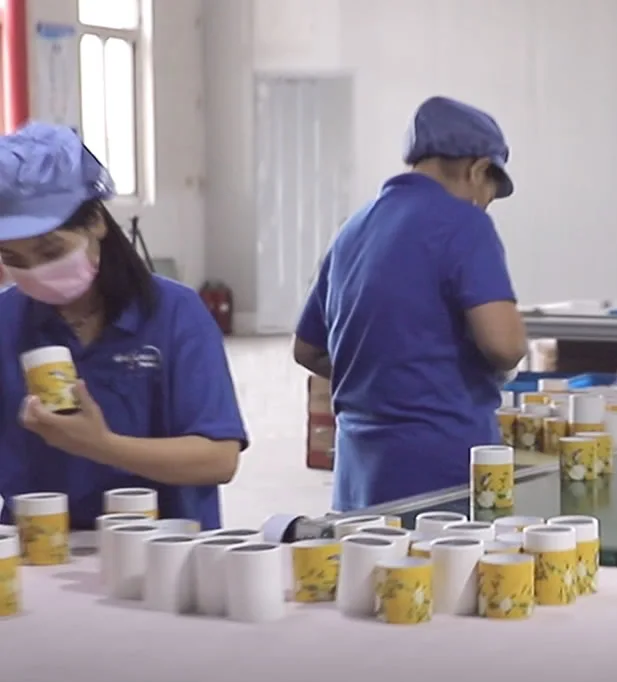
Finished tubes are checked before packing.
EXPLORE ANOTHER APPROACH
Shipping & mailing
A long decorated round tube stands upright beside a slim item.
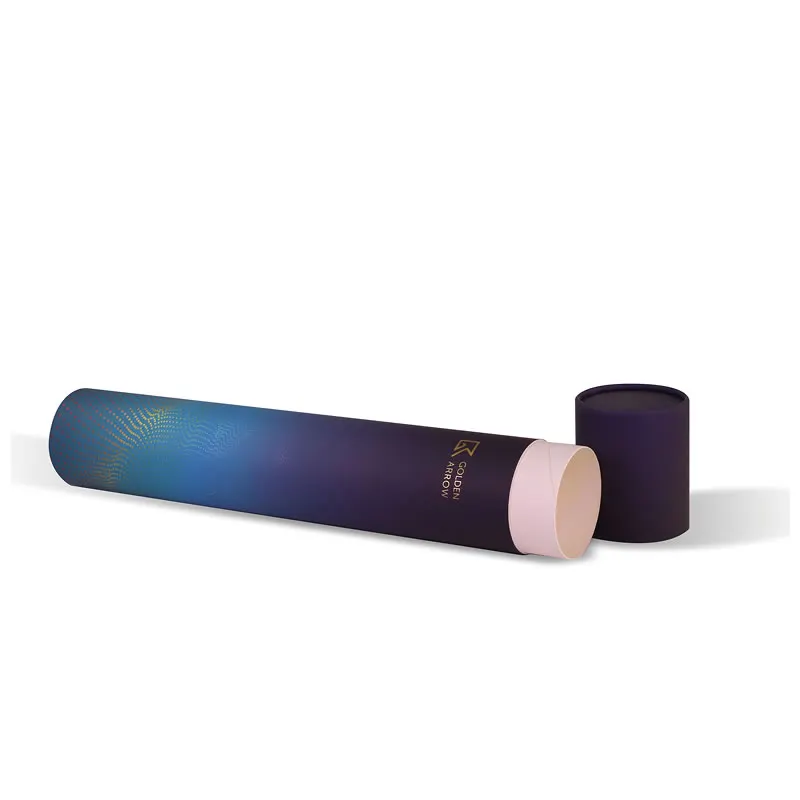
Shipping & mailing
A slim blue-to-purple cylinder lies beside a detached dark end.
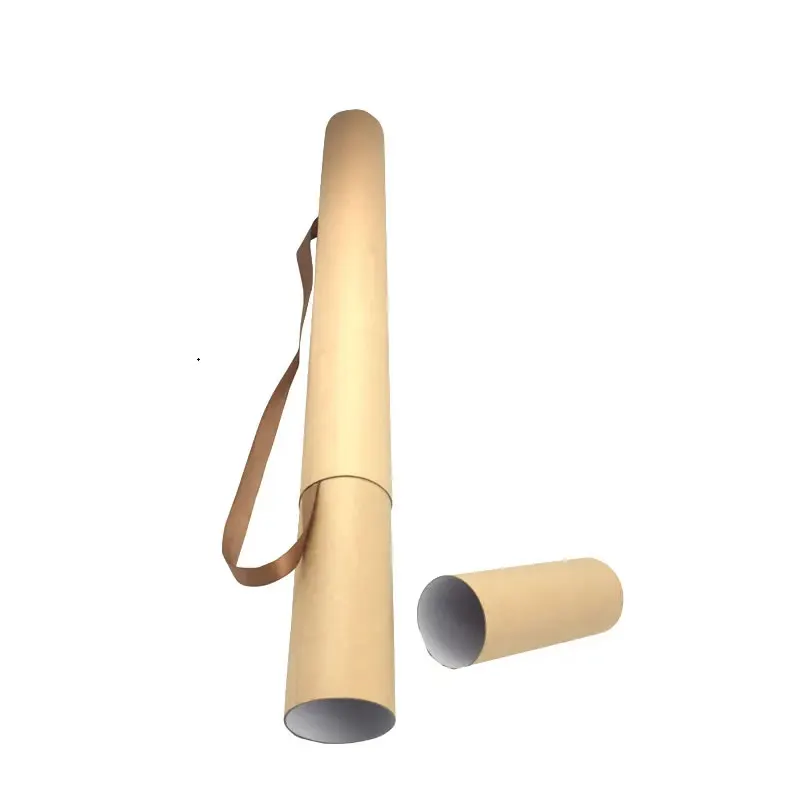
Documents & posters
A brown, kraft-look long tube is shown with a carrying strap and removable cap.
Documents & posters
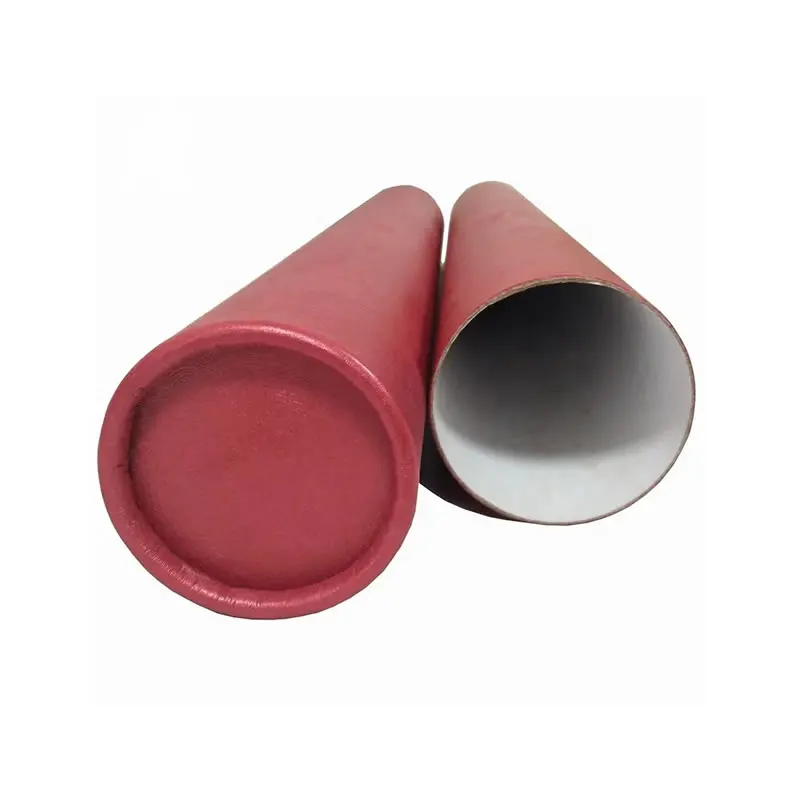
A reddish long cylinder with a separate end cap is pictured on its side.
BEFORE YOU START
Practical questions for a better packaging brief.
A window helps identification only if the mailed item is aligned behind it and the filled pack still meets the required protection test. Window material and cutout location remain project choices.
Mailed item, window material, route and protection test. Review cutout position, contents visibility and end access. Specify mailed item, window material, route and protection test in the request. Window position must be tested with the real mailed item so visibility does not replace the required protection check.
LET’S MAKE IT YOURS
Start with your email and estimated quantity. Our team will follow up to confirm the packaging requirements.
Build an optional packaging brief ↗You can copy a brief into the requirements field yourself. A saved reference confirms receipt of your inquiry; email notification is handled separately.